

5 insights from our conversation:
1. The wizard and the prophet
The name of a book accurately describing the tug of war that’s been in Emil’s head for ten years already. Can we keep going the way we do and eventually support 10-11 billion people on our planet.
Charles Mann wrote about two scientists with opposed views on how to shape our future world. Norman Borlaug, the “wizard”, believes innovations in science and technology will always allow humans to overcome our limits. On the other hand, the “prophet” William Vogt believes self-control, not science, will save us.
INSIGHT
There is no either or when saving the planet. We need both technological advancements to increase our ecological limits and a strong reduction of our consumption to bring it within those limits.
2. All solutions create new problems
Lithium Ion batteries create a lot of new possibilities in communication and mobility. At the same time they create new problems with scarcity of the raw materials needed. Does solving one problem create an even bigger new problem?
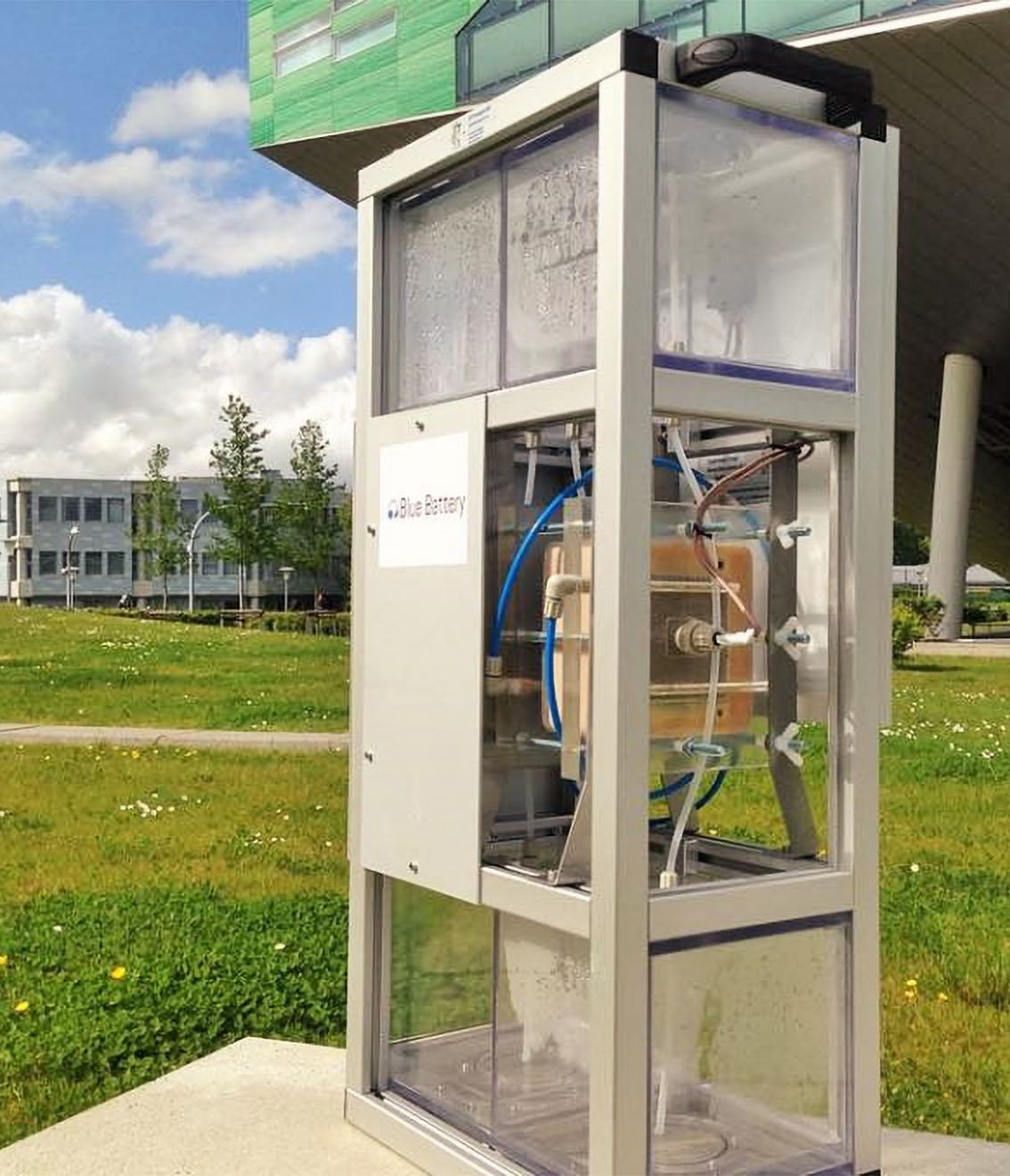
At AquaBattery they run into similar challenges. Their closed system water based batteries make use of synthetic membranes. These thin layers of plastic are used in a closed system and are not much of a problem. But shouldn’t they be using recycled plastic? Unfortunately these don’t have the necessary technical properties yet. So they put attention on preventing this current solution from becoming a big problem once they scaled to hundreds of their systems..
INSIGHT
Creating zero negative impact is impossible. Try to directly tackle and prevent new problems. However sometimes these problems can not be solved yet. You can still focus on these potential problems right now, and give them the attention so they won’t become bigger problems when scaling in the future.
3. Leave the world better than you found it
For Emil this is not a conscious choice but the most logical one. It makes more sense in the long term.
For example, in Tanzania locals are dependent on fossil fuels for kerosine based night fishing lamps and diesel based hammermills. As an alternative, Western companies are importing cheap lamps from China and sell them for exorbitant prices. Their products create quick results, but the massive profits go to China and the West. Locals remain dependent.
Emil co-founded a business enabling local Tanzanian people to become more self-sufficient. Training women to become electrical engineers, and employing them to manufacture the products they need. The women can move away from prostitution and fish drying. And with their new learned skills they can for example build and install solar based fishing lamps to allow their fishing communities to become independent of fossil fuel, but also explore other entrepreneurial activities.
INSIGHT
Focus on growing the entire ecosystem for the next 10 years instead of getting quick results in 2-3 years and moving on. This will create a more sustainable system for everybody.
4. Appreciating craftsmanship
Emil loves carpentry and metalwork. Building his own book shelves. Welding the frames. Wood grinding the boards from an old tree. Experiencing the amount of design work and labour that goes into building something is a big eye opener.
Why is a wooden table 600 euros instead of 150? When building something yourself you start appreciating the amount time and energy that goes into turning the raw materials of wood and steel into an integrated end product.
It also makes you question how many products in discounter shops can be sold for these very low prices. It makes you realize something in the production chain must be wrong.
INSIGHT
Creating something out of nothing is a fulfilling activity by itself. You appreciate the money you spend when buying other products. It brings gratitude for the energy that went into the building process. It also helps you assess a product’s fairness based on its price.
5. Creating peace of mind
After working 16+ hours for 3-4 days in a row you become less effective. Your head is filling up, even though you don’t consciously feel all that busy. Emils most effective way to stay productive is to combine mental work with physical labour.
Yes, sports and food are important. Emil runs, cycles and cooks. But his most effective and enjoyable activity is building physical stuff for himself or for friends. Doing plasterwork. Fixing a car. Building his own furniture. This is downtime for the brain, away from his thinking-focused job and allow your brain to take a rest.
Best of all, he’s able to incorporate this into his work at AquaBattery as well. Lots of meetings during the day or creating proposals can be draining. End of day cleaning their workshop or doing the physical work required is very nourishing.
INSIGHT
Nobody is able to maintain 8+ hours of highly creative mentally exhausting work day in day out. Find ways to incorporate physical non-thinking work into your day. This helps your brain to recharge and process.